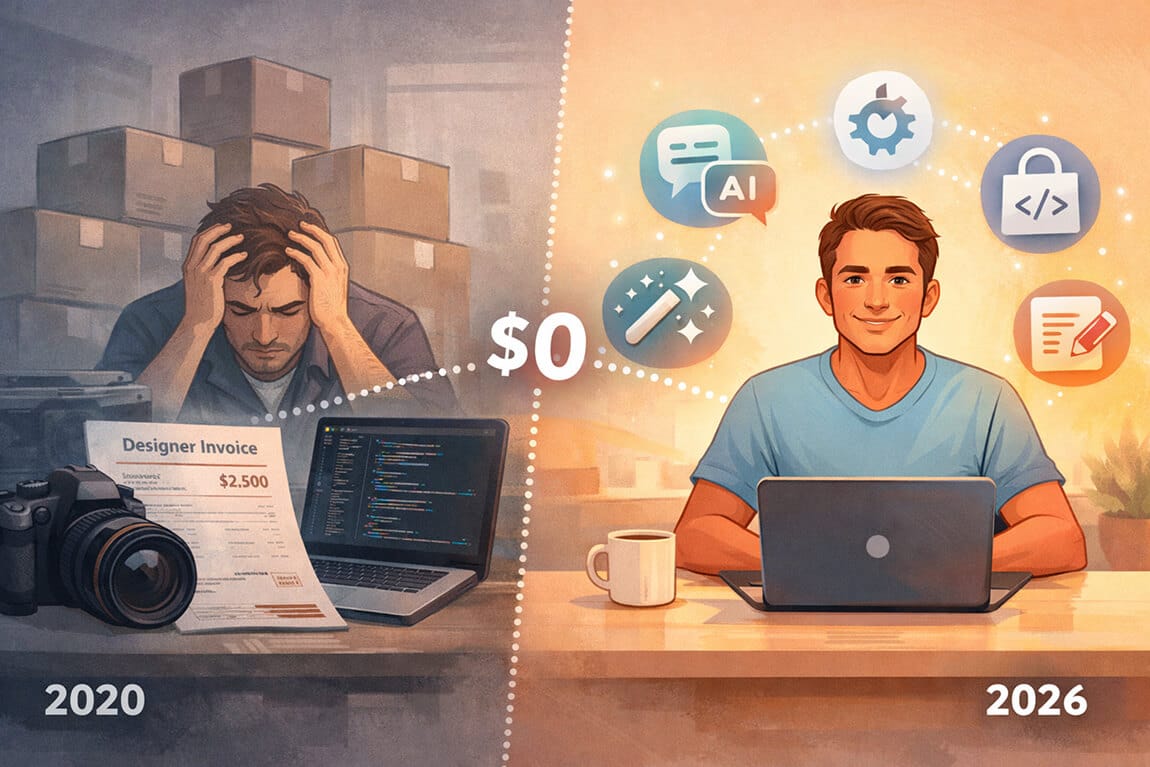
AI tools changed the math. Here's the real step-by-step path from $0 to your first sale - including the parts nobody talks about.
She had $43 in her checking account and a Google Doc full of ideas.
No design skills. No coding background. No warehouse. No investor friends. Just a half-finished Canva mood board and that restless, 2 AM feeling that she was supposed to be building something.
Six months later, her print-on-demand store was doing $3,200 a month selling minimalist pet accessories. Her total cash investment to launch? Zero dollars.
But it wasn't free.
That's the part most "start a business with no money" articles leave out. She spent 200+ hours in those first three months. Learning. Failing. Rebuilding her store at midnight after realizing her product descriptions read like a Terms of Service page.
The money part was real - she genuinely started with nothing. But the effort part? That was massive.
Here's what's different about 2026, though. The same journey that took her 200 hours would take about 40 today. Not because the work disappeared. But because AI tools now handle the parts that used to require either money or painful self-teaching.
This is the honest playbook. Not the "anyone can do it in a weekend" fantasy. The real path from $0 to a functioning ecommerce business - with the actual steps, the free tools that work, the hidden costs nobody mentions, and the one mistake that kills most new stores before they ever get traction.
First, Let's Kill the Myth
You've seen the YouTube thumbnails. "I started a $10K/month store with NO MONEY in 7 DAYS." The creator is filming from what looks like a luxury apartment, casually dropping Shopify links.
Here's the truth they're not telling you.
Starting an ecommerce business with no money is absolutely real. You can launch a store in 2026 without spending a single dollar upfront. That part is true, and I'll show you exactly how.
But "no money" doesn't mean "no cost." You're trading dollars for hours. And if you go in expecting this to be easy, you'll quit before your store gets any momentum.
The founders who actually make it? They understand three things from day one:
$0 means maximum hustle. You won't have ad budgets. You won't have a designer on call. Every product photo, every description, every social media post - it starts with you.
Speed beats perfection. Your first store will look rough. Your first product listing will be mediocre. Launch anyway. The data you get from real visitors is worth more than another week of tweaking fonts.
Revenue solves everything. Your first $100 in sales changes the entire equation. Suddenly you can reinvest in a $1/month Shopify plan. Then a custom domain. Then your first $20 ad test. The hardest part is getting from $0 to $1.
Now. Let's actually do this.
Step 1: Pick a Business Model That Requires Zero Inventory
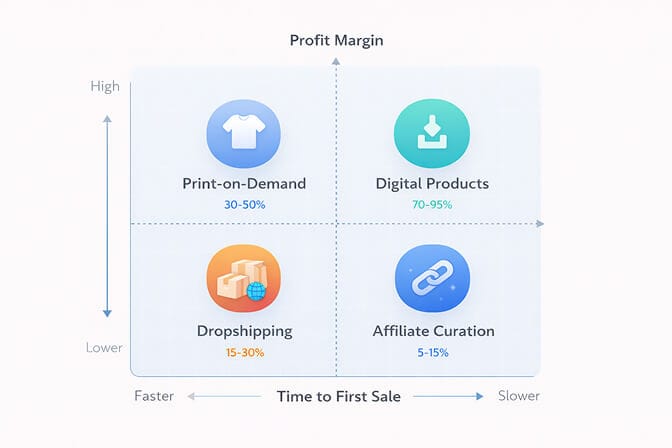
This is the fork in the road, and it matters more than most people realize. Your business model determines your startup cost, your daily workload, and your profit margins for the foreseeable future.
In 2026, there are four models that genuinely work with no upfront cash.
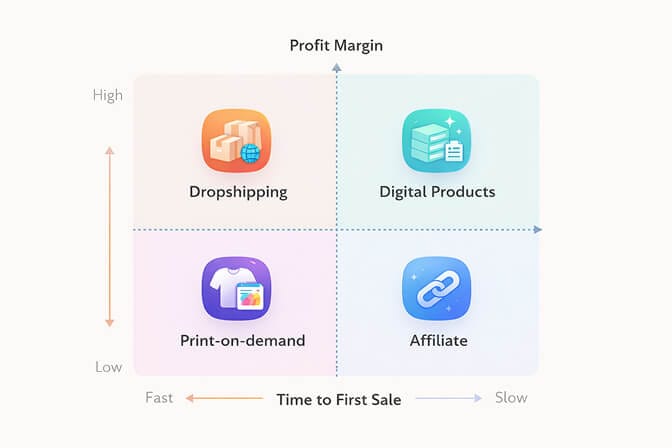
Print-on-demand is where most first-timers should start. You design products (t-shirts, mugs, phone cases, tote bags), upload the designs, and a third-party company prints and ships them only when a customer orders. You never touch inventory. Your only investment is the time it takes to create designs - and in 2026, AI tools like Canva's AI generator and Kittl make that dramatically faster than even a year ago.
Dropshipping lets you sell physical products from suppliers who ship directly to your customers. You're essentially a middleman with a storefront. The upside: huge product selection. The downside: thin margins, fierce competition, and your brand is only as good as your supplier's shipping speed. If you go this route, focus ruthlessly on niche selection. "General store" dropshipping is dead. Niche dropshipping - pet owners, home office setups, plant parents - still works.
Digital products have the best margins of any model. E-books, templates, Notion dashboards, Lightroom presets, printable planners, online courses. You create it once, sell it forever, and keep nearly 100% of the revenue. The catch: you need actual expertise or creative skill in something people will pay for.
Affiliate curation stores are the least talked about but surprisingly effective. You build a content-rich store around a specific niche, recommend products through affiliate links, and earn commissions on every sale. Think of it as a blog that looks like a store. Low effort per sale, but it takes longer to build traffic.
My honest recommendation for 2026: If you're starting at absolute zero, go print-on-demand or digital products. They give you the most brand control, the best margins, and the fastest path to learning what sells. Dropshipping works, but it's harder to differentiate when you're competing with thousands of stores selling the same products.
Step 2: Validate Before You Build (The 48-Hour Test)
This is where most new founders go wrong. They spend two weeks building a beautiful store for a product nobody wants.
Here's the faster way.
The 48-hour validation test: Before you build anything, spend two days confirming that real people want what you're planning to sell.
Use Google Trends to check if search interest for your niche is stable or growing. Flat or declining? Pick something else. Check Reddit, TikTok, and Facebook Groups for your target audience. Are people actively asking questions, sharing frustrations, or recommending products in your niche? That's demand talking. Look at Etsy's bestsellers and Amazon's trending products in your category. If similar products are already selling, that's a good sign - not a reason to avoid the niche.
The validation question that matters: Can you describe your ideal customer in one sentence? "Women aged 25-40 who just got a new puppy and want aesthetic accessories" is a customer. "Anyone who likes cool stuff" is not.
Here's the weird part. Most people skip validation because it feels like procrastination. It's the opposite. Validation is the fastest shortcut in ecommerce. Twenty minutes of research can save you twenty hours of building the wrong thing. If you need help narrowing down your niche, check out our guide on how to find a profitable ecommerce niche.
Step 3: Set Up Your Store for $0 (Yes, Actually $0)
In 2026, there are legitimate ways to launch a store without paying anything.
Free marketplace option: List your products on Etsy, eBay, or Facebook Marketplace. You'll pay fees only when you make a sale (Etsy charges listing fees of $0.20 per item plus transaction fees). This is the true $0 path - you're using someone else's traffic and infrastructure.
Near-free Shopify option: Shopify offers a 3-day free trial, then $1/month for the first three months. Technically not $0, but $3 total for three months of a professional storefront is close enough. You get access to free themes, Shopify's AI product description writer, and a real checkout system.
Social selling option: Set up an Instagram Shop or TikTok Shop and sell directly through social media. Zero platform fees upfront. This works especially well for digital products and print-on-demand.
But then something clicked for me when I was helping a friend set up her store last year.
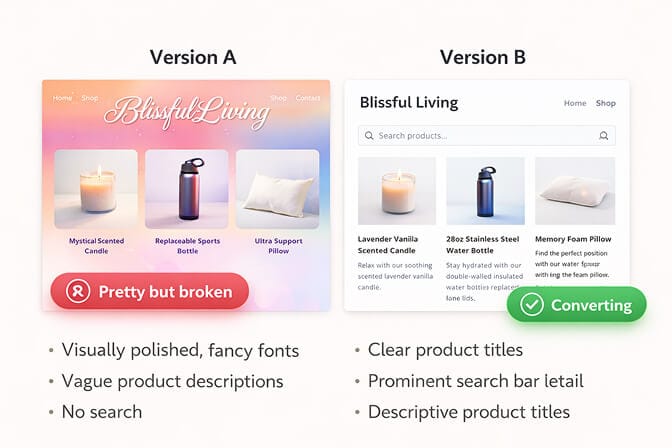
The store itself is the easy part. Everyone obsesses over themes, logos, and color palettes. Meanwhile, the things that actually determine whether a store makes money - product descriptions, search functionality, site navigation - get thrown together as an afterthought.
I watched her spend four hours picking between two nearly identical Shopify themes. Then she spent eleven minutes on her product descriptions, wrote them like inventory labels, and wondered why nobody was buying.
Your store doesn't need to be beautiful at launch. It needs to be findable and clear. Can a visitor understand what you sell in 3 seconds? Can they search for a product and actually find it? Can they check out without confusion? If you want to get the basics right, here's our guide on how to design an ecommerce website that converts.
Those three things matter more than every design decision combined.
Step 4: Use AI to Do What Used to Cost Thousands
This is where 2026 genuinely changes the equation.
Two years ago, launching a professional-looking ecommerce store required either money (to hire people) or months of self-teaching (to do it yourself). Today, AI tools handle the most time-consuming parts - and many of them are free.
Product descriptions: ChatGPT, Shopify Magic, or Claude can write product descriptions that actually sell. Not the generic "this high-quality product is perfect for any occasion" garbage. Real, benefit-focused copy that speaks to your specific customer. Give the AI context about your audience and watch it produce descriptions that would've cost $50-100 each from a freelance copywriter.
Visual design: Canva's free tier now includes AI image generation, background removal, and mockup creation. Kittl handles typography-heavy designs for print-on-demand. You can create a professional logo, product mockups, and social media content without touching Photoshop.
Product photography: If you're selling physical products (or need lifestyle imagery for POD), AI image tools can generate product mockups that look like they came from a studio shoot. Not perfect, but good enough for launch.
Market research: AI can analyze competitor reviews, summarize Reddit threads, and help you identify gaps in your niche - work that used to take a VA or analyst days to complete.
Customer service: Once you start getting inquiries, AI chatbots can handle the repetitive questions (shipping times, return policies, sizing guides) while you focus on growth.
The 2026 reality: A solo founder with free AI tools can now produce output that matches what a $5,000-$10,000 agency budget bought in 2022. That's not hyperbole. The quality gap between "scrappy founder with ChatGPT" and "funded startup with a content team" has nearly closed.
Here's what I wish someone had told me, though: AI is a multiplier, not a replacement for thinking. The founders who use AI to execute faster on good ideas win. The ones who use AI to avoid thinking - letting it generate generic content without direction - produce stores that look and sound like every other AI-generated store. And customers can tell.
Step 5: Get Your First Visitors Without Spending on Ads
No money means no paid ads. Which is fine, because most new stores waste money on ads anyway. You don't know your audience yet. You don't know which products convert. Running ads at this stage is like putting premium fuel in a car that doesn't have an engine.
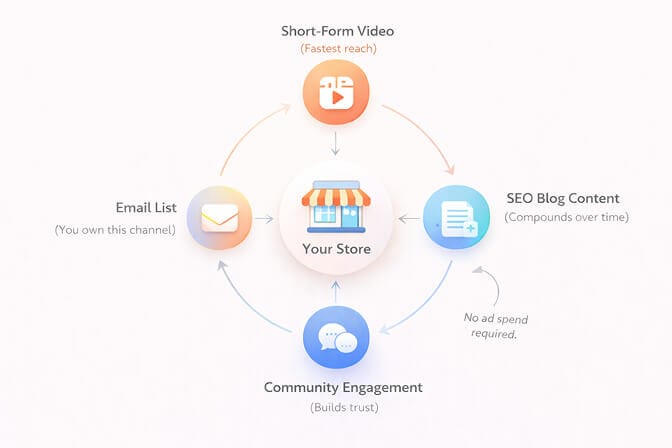
Instead, focus on organic traffic sources that compound over time.
TikTok and Instagram Reels are the fastest path to eyeballs in 2026. Short-form video content still has the highest organic reach of any platform. You don't need professional equipment. A phone, decent lighting, and a hook in the first 2 seconds. Show your product in use. Show behind-the-scenes creation. Show customer reactions. The algorithm favors consistency over production quality.
SEO takes longer but builds a real asset. Start a blog on your store covering topics your target customers are searching for. Selling minimalist pet accessories? Write about "best dog collar for small breeds" or "how to measure your dog for a harness." This content compounds. A blog post you write today could drive traffic for years.
Community engagement is underrated. Find the Reddit threads, Facebook groups, Discord servers, and TikTok comment sections where your audience hangs out. Don't spam your product. Add genuine value. Answer questions. Share knowledge. When people see you consistently showing up with helpful content, they check out your profile - and find your store.
Email from day one. Even with zero customers, start collecting emails. Offer a discount code, a free guide, or early access to new products. Free tools like MailerLite (free for up to 1,000 subscribers) let you build a direct line to potential customers that no algorithm change can take away.
And this is the part that costs you money if you ignore it.
Step 6: The Mistake That Kills 90% of New Stores
You fought for every visitor. You posted content daily. You engaged in communities. You optimized your product photos. Someone actually clicks through to your store.
And then they can't find what they're looking for.
Your site search is broken. Or worse - it doesn't exist.
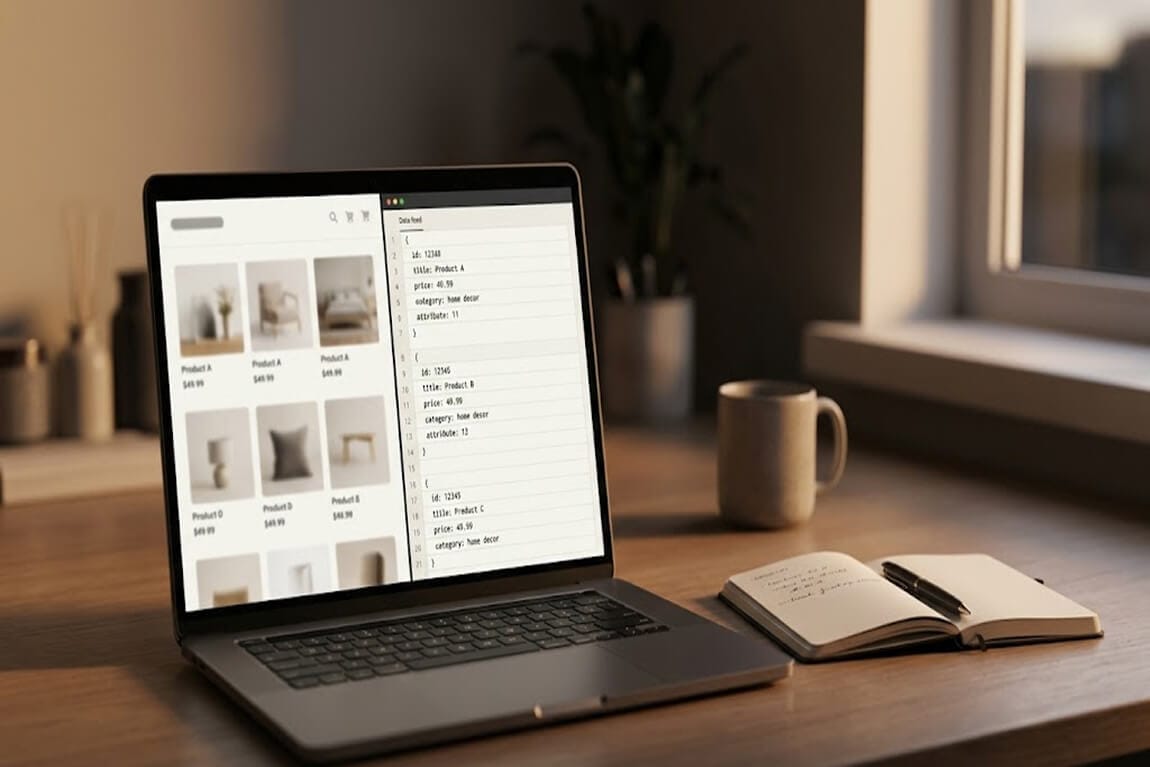
This sounds like a small thing. It's not. Research consistently shows that visitors who use site search convert at 2-4x the rate of browsers. But on most new Shopify stores, the search experience is an afterthought. The default search bar matches exact keywords only. A customer searching "cozy winter sweater" finds nothing because your product is tagged "knit pullover."
Every visitor you lose to bad search is a visitor you paid for with hours of organic marketing.
Here's what I tell every new store owner: the moment you have more than 15-20 products, your search and filtering experience directly affects your revenue. It's not a "scale later" problem. It's a "you're losing money right now" problem.
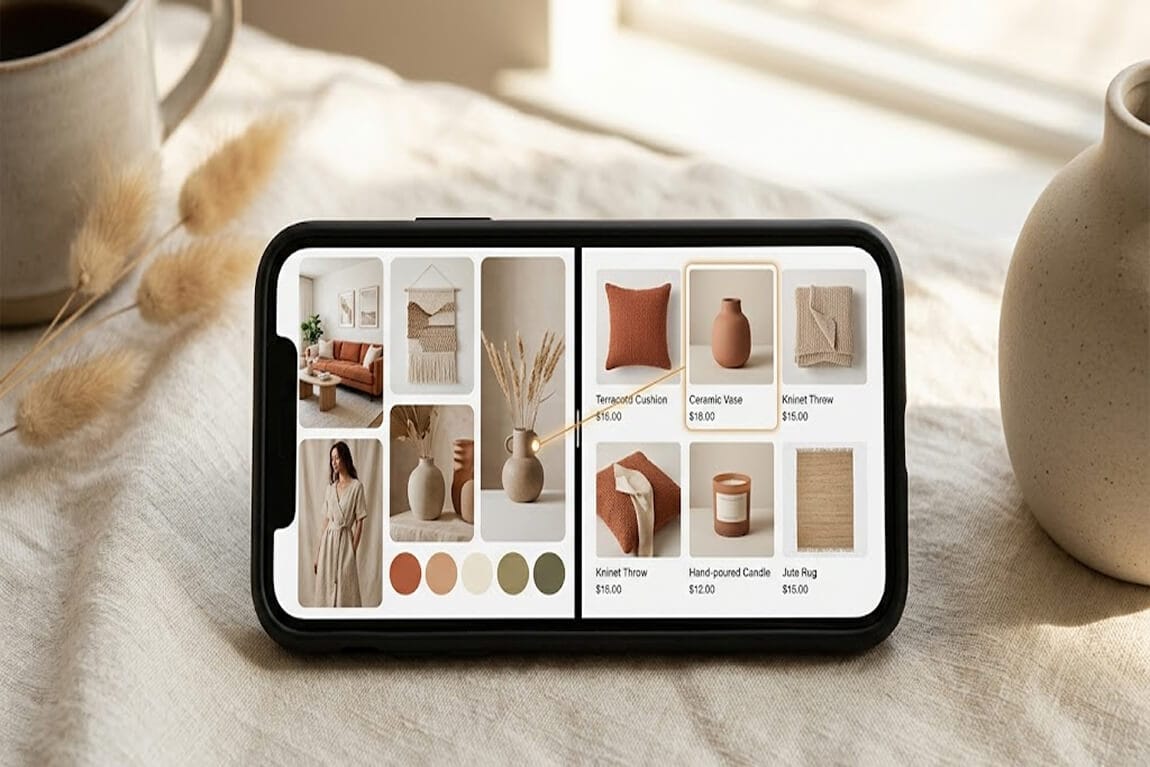
This is exactly what we built Sparq to fix. AI-powered search that understands what your customers mean, not just what they type. Smart filters that adapt to your inventory. And search analytics that show you what customers are looking for - so you can stock what they actually want.
Setup takes about 10 minutes. No code. No developer. And for a new store operating on zero budget, the insights alone - seeing what your visitors search for - are worth more than any ad campaign.
Step 7: The $0 to $100 Bridge (And Why It Changes Everything)
Your first sale will feel absurdly good. I won't pretend otherwise.
But the real unlock isn't the first sale. It's what happens when you reinvest that first $100.
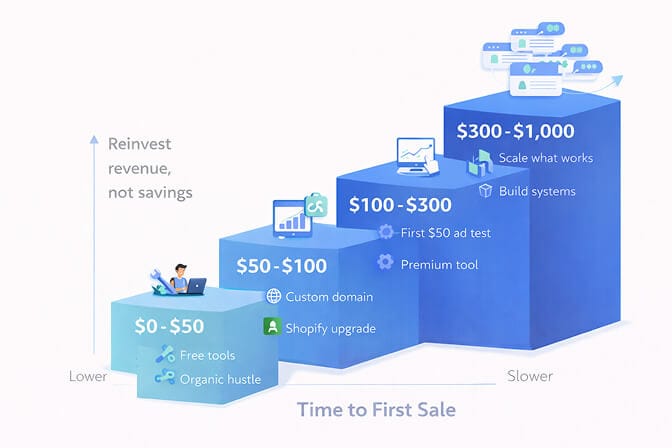
Here's the reinvestment ladder that works:
$0-$50: You're in pure hustle mode. Free tools. Organic marketing. Learning everything.
$50-$100: Buy a custom domain ($10-15/year). Upgrade your Shopify plan. This is where your store starts looking like a real business.
$100-$300: Test your first $50 in ads - but only after you know which product gets organic traction. Invest in one premium tool that addresses your biggest bottleneck (usually search, email, or product photography).
$300-$1,000: Now you're reinvesting revenue, not savings. Scale what's working. Double down on the marketing channel that drives your best customers. Start building systems so you're not doing everything manually.
The key insight: every dollar you reinvest at this stage should go toward the thing that's already working, not the thing you haven't tried yet. If TikTok is driving your sales, invest in better video content - not a Facebook ad experiment. If organic search is bringing traffic, invest in more SEO content - not an influencer campaign.
The Honest Numbers Nobody Shares
Let me leave you with the reality check this topic deserves.
Can you start an ecommerce business with $0 in 2026? Yes. Genuinely, provably yes.
Will you stay at $0? No. Every successful ecommerce business eventually requires some investment. A domain. A platform subscription. A tool that saves you 10 hours a week. The goal isn't to avoid spending forever - it's to avoid spending before you've validated that people want what you're selling.
How long until you make money? Most new ecommerce stores take 3-6 months to generate consistent revenue. Some hit it faster with viral content. Some take longer because they're building in a competitive niche. If someone tells you it takes 7 days, they're selling a course.
What's the actual success rate? Roughly 80-90% of new ecommerce stores fail within the first 18 months. That sounds brutal, and it is. But most of those failures share the same root causes: no validation, generic products, no organic traffic strategy, and a terrible on-site experience that drives away the visitors they do get.
The founders who make it aren't smarter or luckier. They're the ones who validate first, launch fast, listen to their data, and fix the parts of their store that are quietly losing customers.
That last part - fixing what you can't see - is where tools like Sparq.ai become critical. Because you can't fix a search problem you don't know exists. And you can't stock what customers want if you don't know what they're searching for.
Start with nothing. Build with intention. And pay attention to what your visitors are trying to tell you.
That's how a $0 store becomes a real business.
Frequently Asked Questions
What is the best ecommerce business model to start with no money?
Print-on-demand and digital products are the strongest starting points for zero-budget founders. Print-on-demand lets you sell custom-designed physical products without buying inventory - the supplier prints and ships only when a customer orders. Digital products (templates, courses, e-books) have the highest margins since there's no manufacturing or shipping cost. Both models let you validate demand before investing anything.
How does dropshipping compare to print-on-demand for beginners?
Dropshipping offers faster product selection since you choose from existing supplier catalogs, but margins are thinner (typically 15-30%) and competition is intense since many stores sell identical products. Print-on-demand has better margins (typically 30-50%) and lets you build a unique brand through custom designs, but requires creative effort upfront. For 2026, print-on-demand gives first-time founders more differentiation with less risk.
How long does it take to make your first sale with no budget?
Most zero-budget ecommerce stores make their first sale within 2-8 weeks, assuming you're actively creating content and marketing organically. The biggest variable is your organic marketing effort - founders posting daily TikTok or Instagram content see faster results than those relying solely on SEO. Your first sale proves the concept; consistent revenue typically takes 3-6 months of sustained effort.
Do I need a Shopify store to start, or can I sell for free on marketplaces?
You can start entirely free on marketplaces like Etsy, eBay, or Facebook Marketplace. These platforms provide built-in traffic and charge fees only when you sell. However, you have limited control over branding and customer data. Shopify's $1/month introductory plan gives you a professional storefront for near-zero cost, plus access to AI tools for product descriptions and analytics. Many founders start on marketplaces to validate, then migrate to Shopify as they grow.
What free AI tools should I use to launch an ecommerce store in 2026?
The essential free AI stack for 2026 includes ChatGPT or Claude for product descriptions and marketing copy, Canva (free tier) for design and product mockups, Google Trends for niche validation, MailerLite (free up to 1,000 subscribers) for email marketing, and Shopify Magic for on-platform content generation. For search and product discovery, Sparq helps new stores understand what customers are searching for and fixes the search experience that Shopify's default doesn't handle well.